

A more intelligent approach to midlife care.
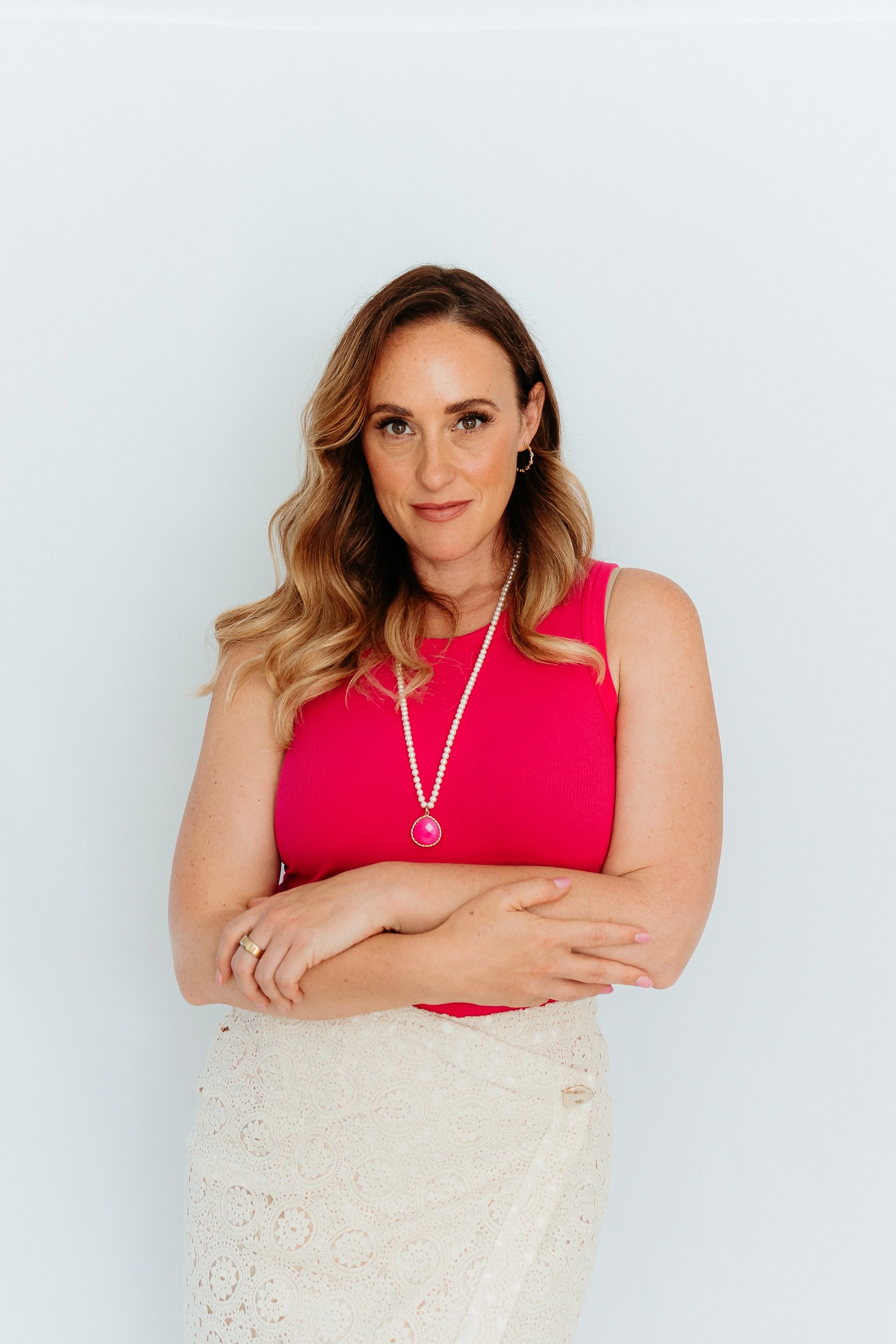
I’m Emily Sadri - Board Certified Women’s Health Nurse Practitioner, Certified Nurse Midwife, founder of Aurelia Health, and a clinician focused on helping women make sense of the physiologic shifts of midlife.
For too long, women in perimenopause and menopause have been offered fragmented care, vague reassurance, and symptom management that barely scratches the surface. I believe women deserve a more intelligent, more individualized, more relationship-based approach to hormone and metabolic health.
What I believe
Most midlife care is built to make women more comfortable.
I’m interested in helping women get well.
The current model often asks the wrong questions.
Are the hot flashes better?
Are you sleeping a little more?
Can we get the symptoms down?
But symptom relief is not the same as physiologic restoration.

Hormone decline affects far more than a few obvious symptoms. It shapes metabolism, brain function, sleep, inflammation, cardiovascular health, and how a woman feels in her body overall.
That means the real question is not simply, “Are you in menopause?”
It’s “What is your physiology telling us and what is your estrogen actually doing?”
What makes my work different
I practice from a hormones-first™ lens.
That does not mean hormones-only.
It means I start where so much of the real disruption begins: the endocrine system. My work focuses on helping women understand:
Why they still feel off even after trying “all the right things”
Why under-dosed or symptom-only treatment often falls short
How metabolism, thyroid, inflammation, sleep, and nervous system regulation all interact in midlife
Why hormone decline is systemic, not just reproductive
What a more individualized and physiologic approach can look like
I am especially interested in the difference between being managed and being truly supported.

About Emily
My path here was not theoretical
I began my career as a labor and delivery nurse and trained in Midwifery and Women’s Health at the University of Pennsylvania. After more than a decade in conventional medicine, I began to see the same pattern over and over again: women were being told their symptoms were normal, their labs were fine, and their options were limited.
That did not match what I was seeing clinically.
So I shifted my work - first into functional medicine, then into a more precise, physiology-first approach to hormone care - and eventually built Aurelia Health to offer the kind of care model I could not find.
This work grew out of years of listening to women who knew something was wrong long before the system had language for it.

Where to go next
Start where it makes the most sense for you





Women deserve more than symptom-chasing and guesswork.
They deserve care that respects the intelligence of the body.
Care that looks at the full picture.
Care that is thoughtful enough to ask better questions.
That is the work I’m committed to.